 Cart is empty
Pluralibacter Gergoviae Shampoo Contamination Causes, Health Risks, Recalled Products & Safety Guide
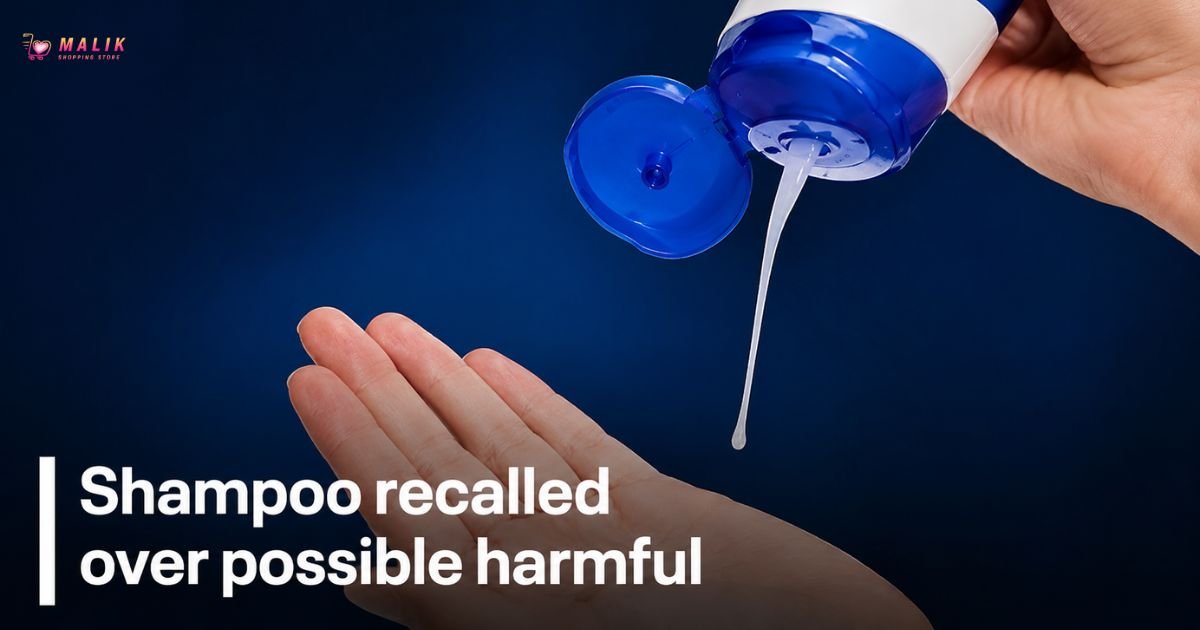
Have you recently heard about the Pluralibacter gergoviae shampoo contamination news and wondered whether your shampoo is safe to use? You’re not alone. A recent **shampoo recall involving Oribe Serene Scalp Densifying Shampoo has raised important questions about bacterial contamination, product safety,
and the steps consumers should take if they own an affected bottle. The recall was announced after Kao USA detected Pluralibacter gergoviae in select products and issued a voluntary recall in cooperation with the FDA and the U.S. Food and Drug Administration.
While experts say the bacteria usually poses a low risk to healthy people, it can become a serious concern for people with a weakened immune system, older adults, and young children. As a result, consumers have been advised to discontinue use of the affected shampoo until the investigation is complete.
This guide explains everything you need to know in simple English. You’ll learn what Pluralibacter gergoviae shampoo contamination means, why bacteria in shampoo can become a problem, which recalled shampoo products are involved, and how to identify the affected shampoo lots.
You’ll also discover the possible health risks, common symptoms, and practical ways to improve shampoo safety at home. Whether you purchased the product from a salon, a major retailer, or an online store, this article will help you understand the latest FDA recall, protect your family, and make informed decisions about contaminated personal care products.
What Is Pluralibacter Gergoviae Shampoo Contamination?
Understanding Pluralibacter Gergoviae and How It Contaminates Shampoo
Pluralibacter gergoviae shampoo contamination happens when the bacterium Pluralibacter gergoviae is found inside a shampoo during manufacturing, packaging, or another stage of production. This microorganism belongs to the Enterobacteriaceae family and is classified as a gram-negative bacteria.
Scientists also describe it as an opportunistic pathogen because it rarely causes illness in healthy people, yet it may lead to infections in people whose immune systems cannot easily fight bacteria. Although shampoos are made with preservatives that help stop microbial growth, some cosmetic bacteria have developed resistance to.
common ingredients used in beauty products. When that happens, the shampoo may become a contaminated shampoo, increasing concerns about cosmetic contamination and overall consumer safety.
Unlike food contamination, a contaminated cosmetic products issue often affects products that come into contact with the skin, scalp, or eyes instead of being eaten. Even though shampoo is rinsed away after use, harmful microorganisms may still enter the body through small cuts, irritated skin, or the eyes.
This is why regulators treat any confirmed product contamination seriously. In the recent Oribe shampoo recall, laboratory testing found Pluralibacter gergoviae in specific production batches of Oribe Serene Scalp Densifying Shampoo, leading to a nationwide beauty product recall.
The recall announcement encouraged consumers to stop using immediately any bottle that matches the listed affected products while an investigation ongoing continues to determine the full scope of the issue.
Key Information | Details |
Bacteria | Pluralibacter gergoviae |
Type | gram-negative bacteria |
Bacterial Family | Enterobacteriaceae |
Main Concern | bacterial contamination in shampoo |
Product Type | Hair care and cosmetic products |
Health Risk | Higher for immunocompromised individuals, infants, and older adults |
Why Are Shampoos Contaminated with Pluralibacter Gergoviae?
Common Causes of Cosmetic Product Contamination
Modern shampoo factories follow strict quality standards, yet no manufacturing system is completely free from risk. A product can become contaminated if bacteria enter during ingredient mixing, equipment cleaning, filling, packaging, or storage.
In some cases, contaminated water or raw materials introduce microorganisms before the product even reaches the bottle. Poor manufacturing practices, damaged packaging, or failures in sanitation may also allow shampoo bacteria to survive despite the use of preservatives.
Certain strains of Pluralibacter gergoviae are known for resisting ingredients that usually prevent bacterial growth, making them more challenging for manufacturers to eliminate. That is one reason regulators closely monitor contaminated hair care products and other contaminated cosmetics.
The recent shampoo recall 2026 involving Kao USA, a subsidiary of Kao Corporation, demonstrates how companies and regulators respond when contamination is discovered. According to the product recall notice,
only selected bottles of Oribe Serene Scalp Densifying Shampoo were affected. The recall includes the 8.5 oz shampoo and 33.8 oz shampoo manufactured during specific production dates. Consumers can identify the products by checking the shampoo lot numbers, including YR010556, YR010566, and YR010576, along with UPC 840035231242 and UPC 840035231273 printed on the bottle.
These affected lot codes help customers determine whether they own one of the recalled hair products. The company continues working with its retail partners and salon partners to remove affected inventory, provide a replacement product, and strengthen quality controls that reduce the chance of similar contamination in the future.
The nationwide recall covers products sold across the United States and Canada, reflecting the importance of maintaining high standards for hair care safety and protecting consumers from unsafe products.
FAQs
What shampoo has been recalled due to bacteria?
Several shampoos, including some products from certain brands, have been recalled after testing found possible contamination with bacteria such as Pluralibacter gergoviae, which may pose a health risk.
Can towelettes be contaminated with Pluralibacter gergoviae?
Yes. Some cosmetic and personal care towelettes have been recalled because they may be contaminated with Pluralibacter gergoviae, especially if manufacturing standards were compromised.
What shampoo did Costco recall in Canada?
Costco Canada has previously recalled certain shampoo products sold in its stores due to potential bacterial contamination. Customers should check the product’s lot number and official recall notice.
What hair products are recalled?
Recalled hair products may include shampoos, conditioners, dry shampoos, and styling products found to be contaminated with bacteria or to have manufacturing defects.
What shampoos should I stay away from?
Avoid using shampoos that have been officially recalled or show signs of contamination, unusual odor, discoloration, or damaged packaging. Always check the latest recall notices before use.

Leave A Comment