 Cart is empty
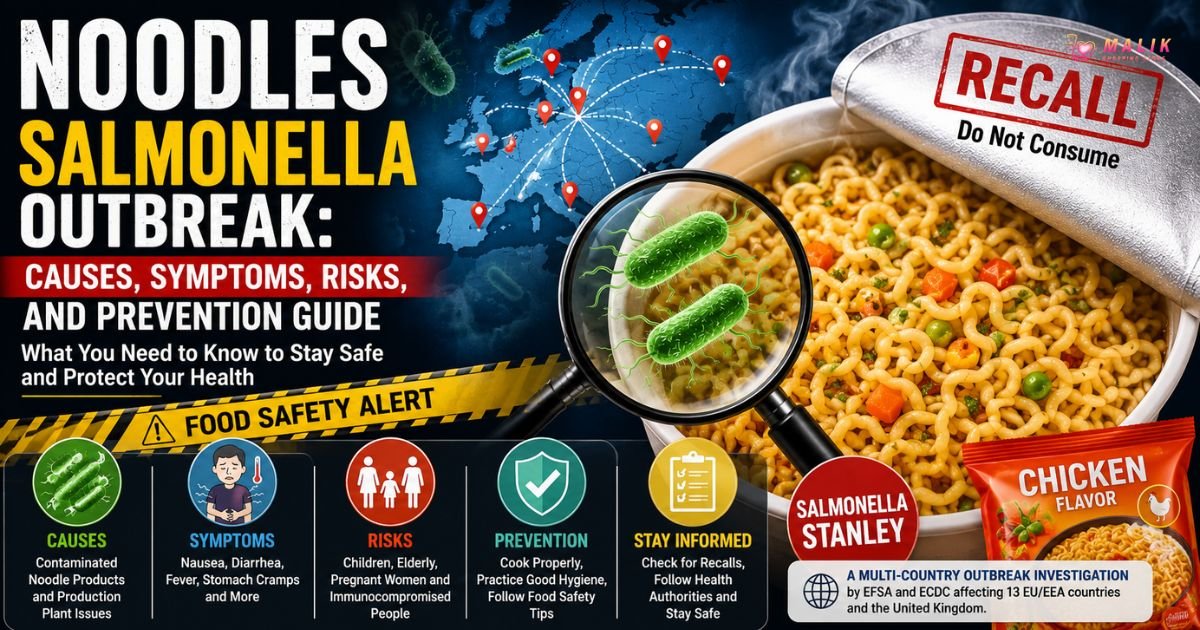
Noodles Salmonella Outbreak: Causes, Symptoms, Risks, and Prevention Guide
Introduction
The noodles salmonella outbreak has become one of the most discussed food safety events in recent months. Health experts launched an extensive investigation after dozens of people became sick across several European countries. Investigators connected many of the illnesses to flavored noodle products, raising concerns about instant noodle contamination and the safety of packaged foods sold in different markets.
Although the outbreak mainly affected Europe, the news quickly reached a global audience because many food brands distribute products across international borders. If you regularly enjoy instant noodles, understanding what happened can help you make safer choices for yourself and your family.
Food safety isn’t just about avoiding spoiled food. It also involves knowing how food contamination can happen during manufacturing, packaging, transportation, or even food preparation at home. The Salmonella Stanley outbreak reminds consumers that even packaged products can carry hidden risks if contamination occurs somewhere along the supply chain.
This guide explains the outbreak in simple English, explores the science behind Salmonella infection, discusses who faces the greatest risk, and shares practical steps you can take to reduce your chances of getting sick. By the end, you’ll have a clear understanding of the outbreak and the lessons it offers for better food safety.
What Is the Noodles Salmonella Outbreak?
The noodles salmonella outbreak refers to a multi-country outbreak of illnesses linked to Salmonella Stanley, a strain of Salmonella bacteria that can cause serious digestive infections. According to the European Food Safety Authority (EFSA) and the European Centre for Disease Prevention and Control (ECDC), investigators identified more than one hundred confirmed Salmonella cases between late 2025 and mid-2026.
The illnesses appeared across several affected countries, including members of the European Union (EU), the European Economic Area (EEA), and the United Kingdom. Many patients experienced severe stomach illness while dozens required hospitalizations, making this one of the most closely monitored food safety incidents of the year.
Health experts carried out a detailed Rapid Outbreak Assessment after noticing similar illness patterns among patients. During the outbreak investigation, specialists compared patient interviews, purchasing habits, and laboratory testing results.
This careful review pointed toward contaminated noodle products sold under the same brand. Scientists also collected samples from food products and confirmed that the same outbreak strain appeared in several noodle packages. This combination of epidemiological evidence and microbiological evidence gave investigators strong confidence that the illnesses were connected to a shared contaminated food source, although officials continued searching for the exact contamination source.
Overview of the Multi-Country Outbreak
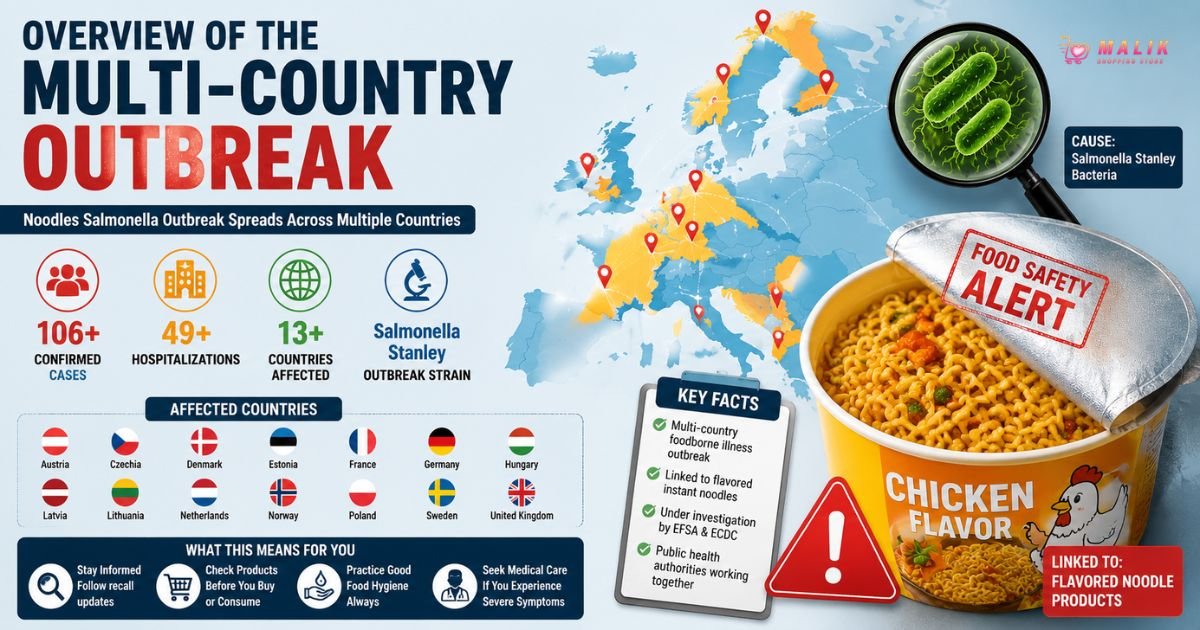
The outbreak spread across numerous countries because modern food supply chains move products quickly between regions. A single manufacturing facility can ship thousands of packages to supermarkets in different nations within days.
When contamination happens early in production, many customers may unknowingly purchase the same affected product. That possibility made this event especially important for public health authorities, who worked together to identify where the contaminated products had traveled and who might still have them at home.
Why This Outbreak Matters
This outbreak matters because it highlights how a single food safety problem can affect many people in different countries almost at the same time. The investigation also showed how quickly foodborne illness outbreak events can spread through international product distribution networks. Even though many food recalls and
product withdrawals reduced the immediate danger, officials warned that products with a long shelf life could remain inside household kitchens for weeks or months. That means some consumers could still face risks if they unknowingly eat recalled noodle products instead of safely discarding them.
How Are Flavored Instant Noodles Linked to the Noodles Salmonella Outbreak?
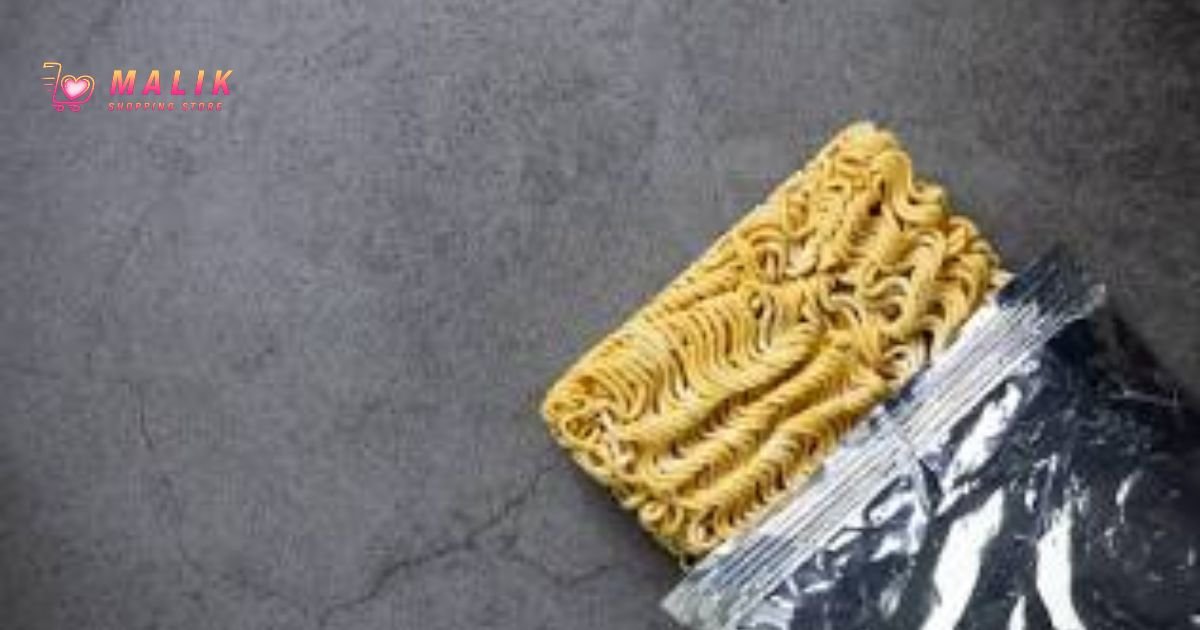
Investigators discovered an important pattern while interviewing patients. Many people reported eating flavored noodle products shortly before becoming ill. Further analysis revealed that several patients had purchased products from the same manufacturer. Scientists then performed microbiological testing on unopened packages and detected Salmonella Stanley in certain chicken flavored noodles and hot chicken flavored noodles.
Those findings strongly supported the conclusion that the noodles were linked to the outbreak. As additional evidence emerged, health agencies expanded the food safety investigation to understand whether more products could also be affected.
Another important discovery involved the manufacturing process. Officials traced several affected products back to the same Ukraine producer, suggesting a possible common source of contamination during production. However,
investigators didn’t immediately conclude that only one ingredient caused the problem. Instead, they continued studying whether different contaminated ingredients, shared equipment, or production plant contamination allowed bacteria to spread into multiple products. That careful approach helped authorities avoid making assumptions while collecting stronger scientific evidence.
Evidence Connecting Instant Noodles to the Outbreak
Scientists relied on both epidemiological investigation methods and laboratory science to build their case. Patient interviews revealed consistent eating habits while laboratory results confirmed the presence of the same bacteria inside selected noodle products.
When these findings matched, investigators gained stronger confidence that the illnesses were linked to contaminated instant noodles rather than unrelated food items. This combination of medical interviews and laboratory science represents one of the strongest methods available for identifying contaminated food during a public health emergency.
Where the Contamination May Have Started
Although investigators linked several products to the same manufacturing source, they continued searching for the exact point where contamination occurred. The bacteria may have entered during ingredient handling, food processing, packaging, or transportation.
Experts also examined whether equipment cleaning procedures met proper standards. Until the investigation identifies the precise contamination source, food safety authorities continue recommending caution. Their goal isn’t only to solve this outbreak. They also want to strengthen food safety measures, improve consumer health protection, and reduce the chances of another outbreak involving contaminated food products in the future.
FAQs
What brand of noodles are recalled?
Health authorities linked the recall to specific flavored instant noodle products from one brand. Check official recall notices to confirm if your product is affected.
Are Maruchan ramen noodles safe to eat?
Yes, there is no general recall of Maruchan ramen noodles. Always check the latest official food recall announcements before consuming any product.
What states are having a Salmonella outbreak?
The reported noodles Salmonella outbreak mainly affected several European countries, not U.S. states. Check local health department updates for any U.S. cases.
Is there a recall on Maruchan ramen noodles 2026?
As of current public reports, there is no nationwide 2026 recall for Maruchan ramen noodles. Verify the latest information through official food recall websites.
Why does my stomach hurt after eating Maruchan ramen?
Stomach pain may result from food sensitivity, spicy seasonings, overeating, or an unrelated illness. If symptoms are severe or persistent, consult a healthcare prove

Hello